.png)
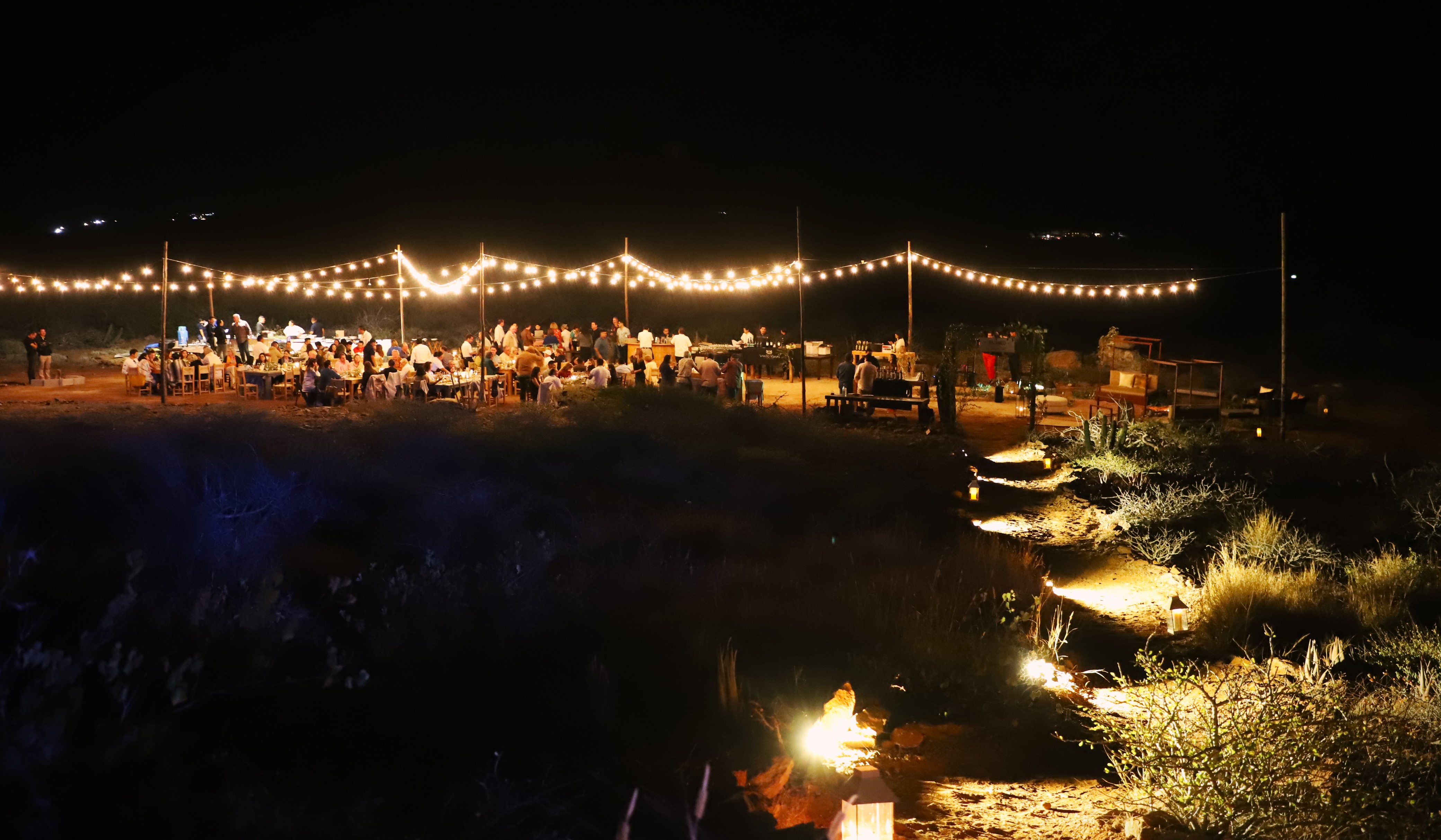



Hotel Guaycura
Award-Winning Boutique Hotel in a Historic Building

A full moon night feels different because something very concrete changes: the light. The landscape keeps detail when it would normally begin to disappear, the horizon reads differently, and the transition from sunset into night gains a second point of attention in the sky.
At El Mirador, facing the Pacific, that change is not simply decoration. It becomes part of the pace of dinner: first the warm light at the end of the day, then twilight and, around the full phase, a Moon that rises approximately around sunset from the opposite side of the sky.
No mystical explanation is needed for the experience to feel special. Astronomy already explains why the scene changes so much.
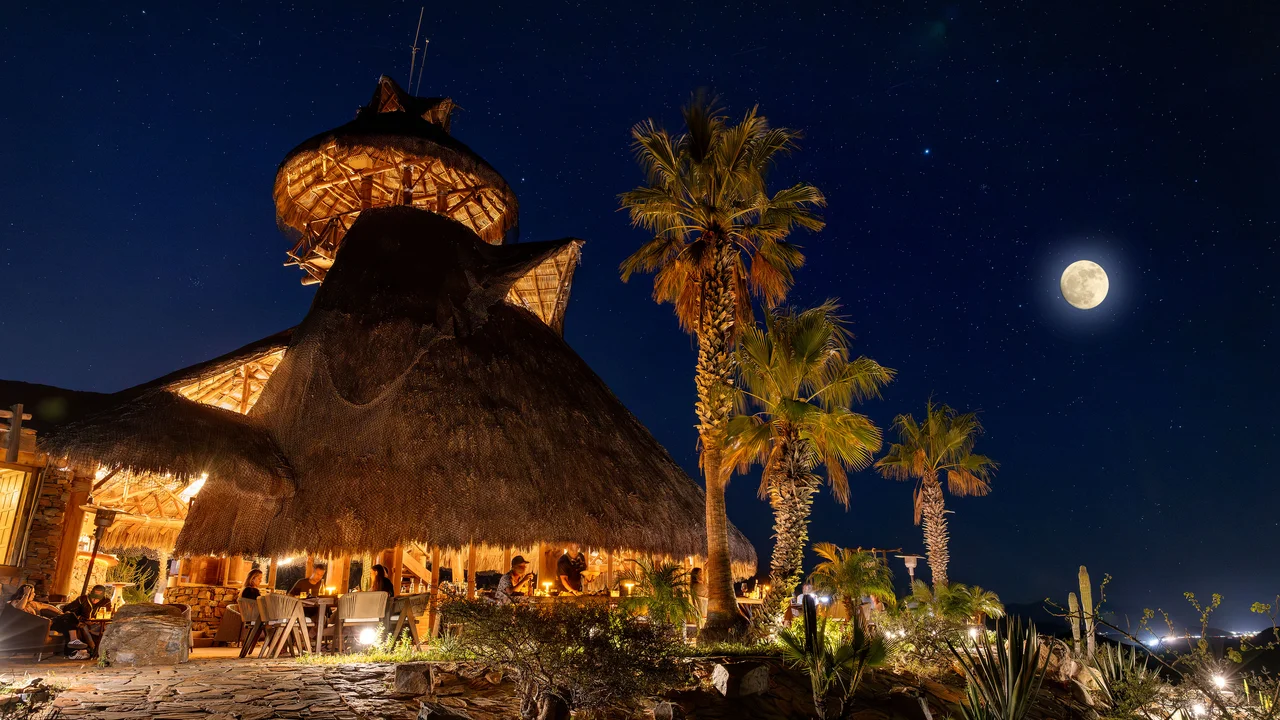
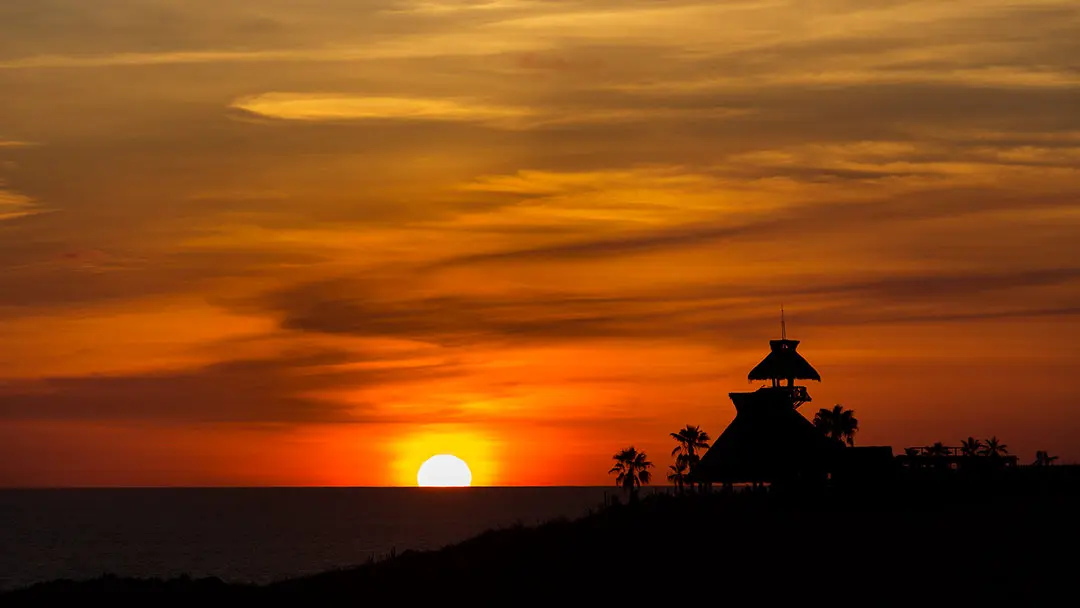
The experience starts before the sky is dark. As the Sun drops, colors cool, shadows lengthen and the Pacific changes tone. Around full Moon, that transition continues with a natural source of light visible for much of the night.
The Moon always reflects sunlight. What changes through the month is how much of its illuminated face we can see from Earth. During the full phase, we see nearly the entire sunlit side facing us. The result is a brighter night than around new Moon and, under clear skies, enough light to reveal contrast, silhouettes and even shadows.
That visual difference is especially noticeable in an open landscape. The sea retains reflections, terrain contours remain visible for longer, and the eye can keep finding reference points after sunset. The feeling of a “different” night can be understood from there: the visual information changes, so the way we read the surroundings changes too.
In Todos Santos, the Pacific makes the end of the day easy to read. Arriving at El Mirador before sunset lets you experience the full sequence: the last light over the ocean, twilight and the Moon beginning to appear in another part of the sky.
This does not mean the Sun and Moon align perfectly with every table, or that every full Moon follows exactly the same schedule. The precise time and point of moonrise shift with date and location. But the basic geometry of the full phase explains why the two moments occur so close together.
The gravity of the Moon and Sun influences ocean tides. When the Sun, Earth and Moon are nearly aligned — around new Moon and full Moon — their effects combine and the average range between high and low tide tends to increase. These are known as spring tides.
That does not mean the full Moon alone tells you what the sea will be doing at a particular hour. Coastline shape, depth, regional geography and other conditions make the local response different from place to place. To know the actual tide level and timing, use a local tide prediction.
The best way to notice the change is not to arrive once everything is already dark. Give the transition time and let your eyes compare the same landscape under different light.
Watching the end of the day makes the change into twilight and moonlit night much easier to perceive.
A full Moon rises around sunset, but the exact time changes. A local prediction helps you avoid missing the moment.
Notice what happens to the sea, clouds, shadows and silhouettes. Much of the visual experience is there.
The landscape changes over more than a few minutes. A table without a rushed schedule lets you experience the whole sequence.
El Mirador sits on a cliff facing the Pacific, and its kitchen works with local, seasonal ingredients. On a full moon night, that setting allows dinner and the changing sky to unfold in the same place.
This article does not replace the event calendar or availability. The Full Moon Dinner at El Mirador experience contains the practical information for upcoming dates and reservations.
If you are looking for a broader romantic evening —without the Moon as the central theme— see the date-night plan in Todos Santos.
See Full Moon Dinner at El Mirador.webp)
Check upcoming dates, availability and reservations directly on the El Mirador experience page.


Get the best of Todos Santos before anyone else