.png)



Planning a surf trip
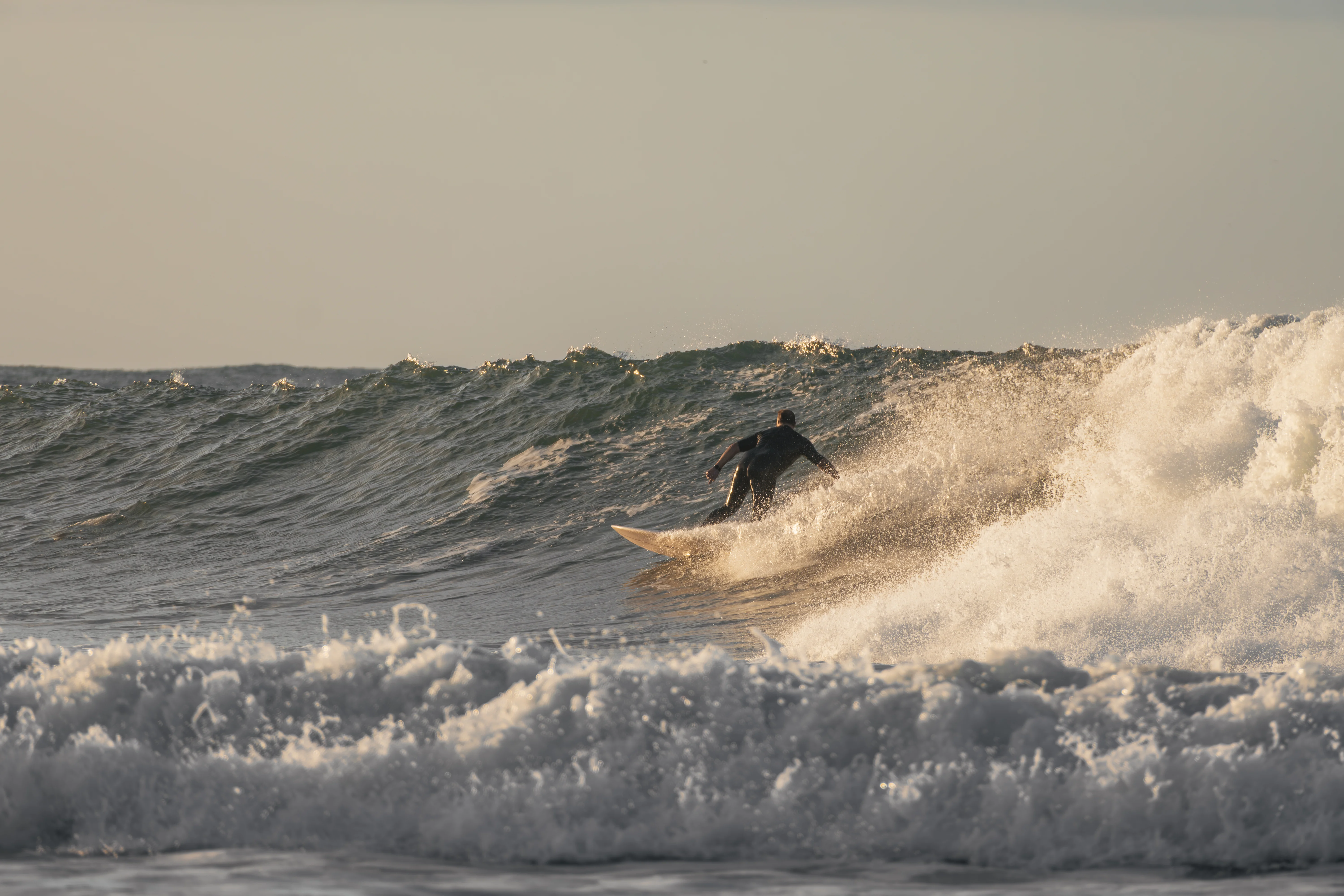
The best time to surf Todos Santos is not one magic month. It depends on the wave energy you want, your ability level, water-temperature tolerance and which break you hope to surf. Pacific swell direction, local wind and water temperature can make the same coastline feel completely different from one week to the next.
Think of the season through four variables: swell direction and energy, wind, water temperature and surfer ability. The Todos Santos surf hub shows current model conditions; this guide explains the seasonal context behind those numbers so you can choose travel dates more intelligently.
There is no single surf season—there are different windows
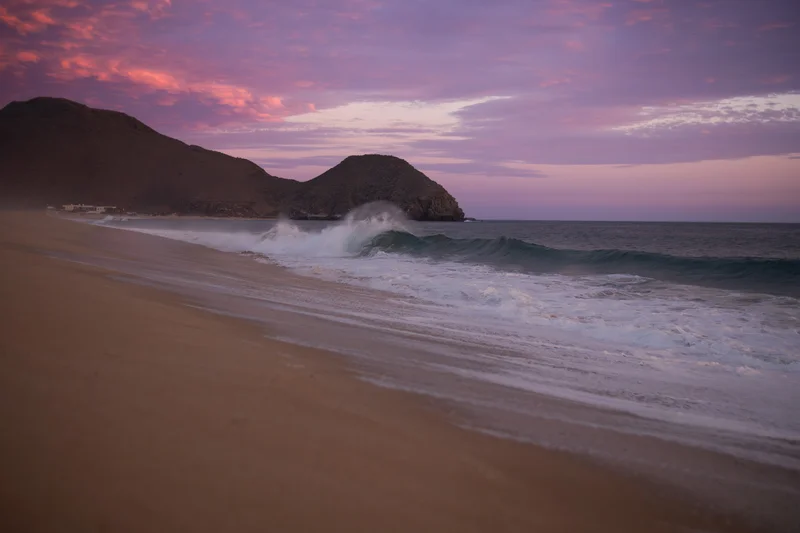
Reducing Todos Santos to “winter for big waves, summer for beginners” misses too much. This is an exposed Pacific coastline that can receive swell from different hemispheres. Broadly, winter increases the chance of north and northwest energy; warmer months can receive south and southwest swell while sea-surface temperatures trend higher. Actual surf quality still depends on how a particular swell reaches a particular beach, plus wind, tide and size.
That is why Cerritos, San Pedrito and La Pastora should not be read as three versions of one wave. A direction that lines up one break may reach another at a less useful angle. A clean early morning can turn choppy later in the day. Tide can improve one break while making another awkward. Season helps you choose when to travel; forecast and beach observation help you choose when and where to paddle out.
Most relevant to surfers looking for power and to breaks that are exposed to north or northwest swell.
Patterns can be mixed. Pack flexible thermal options and pay close attention to wind and water temperature.
Different windows can open, but warmer does not automatically mean easier.
Winter: more energy is not automatically better for every surfer
From late fall through winter, North Pacific systems can send longer-period, more energetic swell toward Baja California Sur. Intermediate and advanced surfers may find this especially attractive because some breaks gain speed, face and power. For a beginner, the same trip window can mean choosing the day and peak more carefully—or deciding not to surf.
La Pastora deserves particular respect when winter energy arrives because its exposure can amplify what is happening offshore. San Pedrito can also become more technical as conditions line up, and its bottom and speed demand a different approach from Cerritos. The useful conclusion is not “winter means La Pastora.” It is: travel with enough flexibility to choose the right break rather than forcing one specific break onto the itinerary.
Forecast models can show trends, but no guide can promise a particular wave height, direction or quality for a future date. Choose a season that matches your ability and then refine each session with current information.
Summer and fall: warmer water, different Pacific energy
Summer and much of fall generally bring warmer water and a greater role for Southern Hemisphere swell. This can work well for trips where surfing shares time with beach, food, art and the town itself. The individual wave, however, still depends on the break and the specific swell.
Cerritos can be a practical base for mixed-ability groups because it offers a more approachable beach environment for watching, taking a lesson or surfing moderate conditions. Yet a meaningful swell can turn a “beginner-friendly” beach into surf that is inappropriate for a first session. Beginner-friendly describes the spot's potential for learning, not a guaranteed daily state.
Fall can be a useful compromise for travelers who prioritize warmer water, lighter thermal gear and a broader Todos Santos itinerary. If your primary objective is more powerful northern swell, winter usually deserves more attention. If the objective is a flexible surf trip rather than a big-wave mission, late summer and fall can make more sense.
Water temperature and wetsuits: use the current number, not a calendar rule
Sea-surface temperature changes seasonally and can fluctuate within a season because of wind, mixing and coastal processes. That makes rigid wetsuit charts risky. Two surfers can prefer different protection at the same temperature, and a long dawn session feels different from a short late-morning paddle.
The current-conditions module on the Todos Santos surf hub includes modeled sea-surface temperature alongside waves and wind. Use it for planning and confirm local comfort before committing to a long session.
Choose a season based on ability, not reputation
Beginner
Prioritize flexibility rather than a “perfect season.” The right trip gives you multiple mornings to find moderate conditions, take a lesson and sit out sessions that exceed your level. Our Cerritos beginner guide explains how to frame that first session.
Intermediate
Look for a window with enough energy to progress without turning every paddle-out into survival. Several days let you compare Cerritos with more technical breaks and choose based on swell, wind and confidence.
Advanced
Winter can improve the odds of more powerful northern swell, but you still need to evaluate direction, period, wind, bottom and access. If San Pedrito or La Pastora are priorities, read the dedicated comparison before organizing the day.
How to plan a surf trip without over-planning the ocean
- Choose the season by experience goal.Decide whether you want to learn, progress, seek power, travel with family or combine surfing with Todos Santos.
- Book several days, not one imaginary session.Margin lets you adapt to wind, swell and fatigue rather than paddling out because the calendar says you must.
- Use the 5–7 day forecast for context, then refine at 24–48 hours.Long-range output is useful for trends; spot decisions need fresher data.
- Watch the beach before entering.Look at real size, currents, entry points, crowd pattern and several consecutive sets.
- Have a good non-surf plan.A Todos Santos day is not wasted when the ocean says no. Art, food, beaches and town experiences let the itinerary flex without forcing a session.
Surf-season FAQ
What is the best month to surf Todos Santos?
There is no universal best month. Winter raises the chance of northern swell; summer and fall often offer warmer water and southern swell. The best month depends on your ability and wave objective.
Do I need a wetsuit in winter?
Often some thermal protection is useful, but thickness depends on actual water temperature, wind, session length and personal tolerance. Check current data before traveling.
Does Cerritos work year-round?
It can receive surf during different seasons, but “works” does not mean every day is good or beginner-appropriate. Direction, size, wind and tide determine the actual session.
Can a beginner travel in winter?
Yes, if the trip includes flexibility to select moderate days, use instruction and stay out when conditions exceed the surfer's level.
This guide describes general planning patterns. Verify current conditions and observe the ocean directly before entering the water.
Build the trip around the ocean—not against it
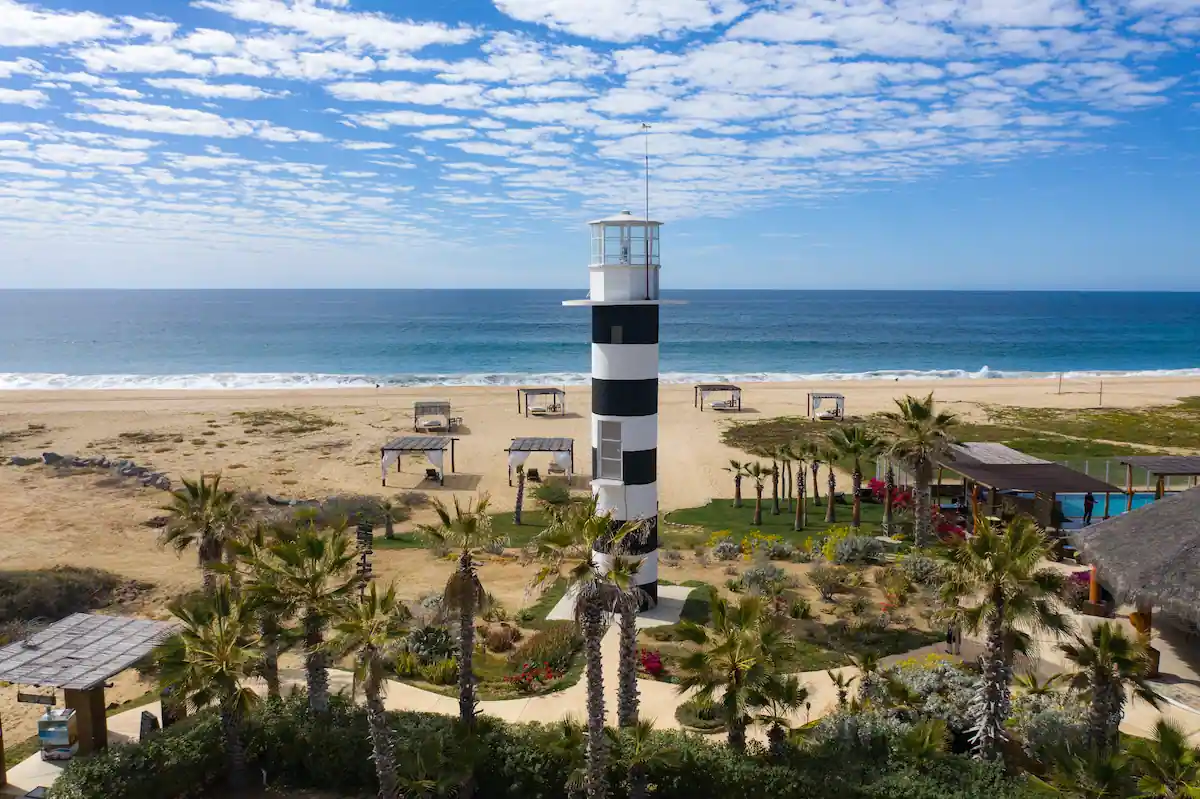
Hotel Galería Guaycura makes central Todos Santos a flexible base for surf mornings. After the session, El Faro Beach Club offers another way to return to the coast without turning the entire trip into a chase for waves.
.webp)
Get the best of Todos Santos before anyone else